Understanding Biofood Laws and Regulations for Parents: Tips and Advice
Category : | Sub Category : Posted on 2024-10-05 22:25:23
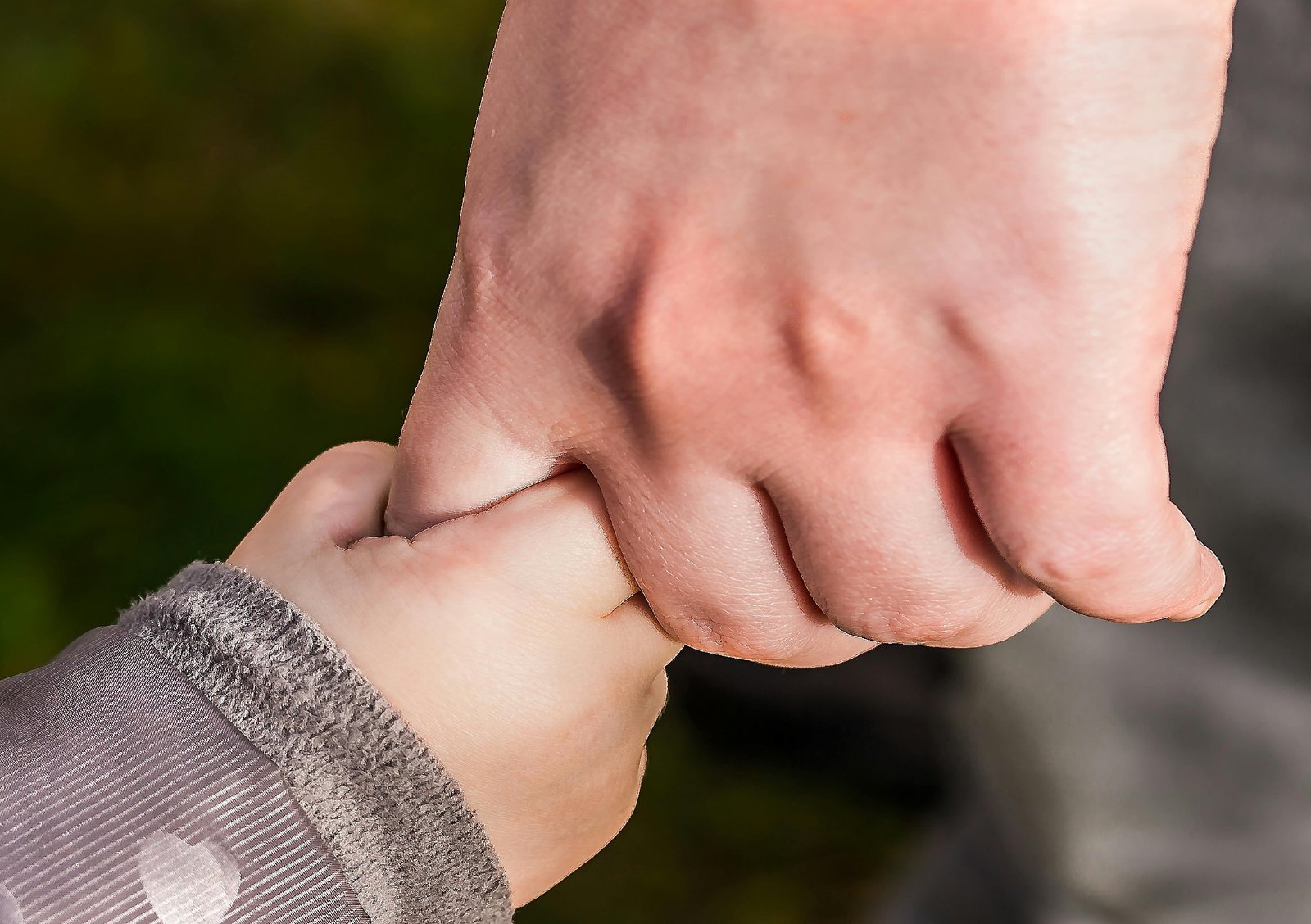
As a parent, you are always looking for ways to provide the best nutrition for your children. One aspect that is gaining popularity is Biofood, which refers to food produced in an environmentally friendly and sustainable way. However, navigating the laws and regulations surrounding biofood can be overwhelming. In this article, we will break down the basics of biofood laws and regulations and provide you with some helpful tips and advice for incorporating biofood into your family's diet. Biofood laws and regulations are put in place to ensure that food production practices are sustainable, environmentally friendly, and safe for consumption. These regulations cover various aspects of food production, including organic farming practices, pesticide use, animal welfare, and labeling requirements. For parents interested in incorporating biofood into their household, it is essential to understand these laws and regulations to make informed decisions about the food you buy and feed your family. When shopping for biofood products, look for certifications from reputable organizations that indicate the food meets certain standards for organic and sustainable production. Some common certifications to look for include USDA Organic, Non-GMO Project Verified, and Fair Trade Certified. These certifications provide assurance that the food has been produced in accordance with specific guidelines and regulations. In addition to certifications, it is important to read food labels carefully to understand what ingredients are in the products you are purchasing. Look for products with simple and recognizable ingredients, as these are often indicators of a more natural and less processed food. Avoid products with artificial additives, preservatives, and high levels of sugar or unhealthy fats. When it comes to feeding biofood to your children, remember to introduce new foods gradually and be patient with their preferences. Children may be resistant to trying new foods, but continue to offer a variety of biofood options to expose them to different flavors and textures. Get creative with meal planning and involve your children in meal preparation to make the experience fun and educational. Lastly, remember that biofood is just one aspect of a healthy diet. It is important to provide a balanced diet that includes a variety of fruits, vegetables, whole grains, and proteins to ensure your children are getting all the nutrients they need for growth and development. In conclusion, understanding biofood laws and regulations is essential for parents who want to provide healthy and sustainable food options for their families. By being informed about certifications, reading food labels, and introducing biofood gradually, you can incorporate biofood into your family's diet with confidence. Remember to focus on balance and variety in your children's diet to promote overall health and well-being. Also Check the following website https://www.childnut.com sources: https://www.cfruits.com For a broader perspective, don't miss https://www.topinduction.com Check the link below: https://www.foxysweet.com To expand your knowledge, I recommend: https://www.eatnaturals.com also for More in https://www.biofitnesslab.com For an in-depth analysis, I recommend reading https://www.swiss-cuisine.com For more information check: https://www.mimidate.com Uncover valuable insights in https://www.huevo.org More in https://www.digestible.org To gain a holistic understanding, refer to https://www.vacas.net Curious to learn more? Click on https://www.agriculturist.org For a fresh perspective, give the following a read https://www.cheffy.org More in https://www.loseweighton.com To get a different viewpoint, consider: https://www.stomachs.org also for More in https://www.yemekleri.org Want to expand your knowledge? Start with https://www.salting.org
https://vollmacht.org
Leave a Comment:
SEARCH
Recent News
- Zurich, Switzerland is not only known for its stunning landscapes, chocolate, and watches, but also for its rich literary culture. In this charming city, children's literature holds a special place, with a plethora of top children's books that are beloved by kids and families alike. Here are some of the most popular children's books that are a must-read for young readers in Zurich.
- Zurich, Switzerland is a beautiful destination with plenty to offer for families traveling with children. However, motion sickness can put a damper on what should be a fun and exciting trip. Here are some kid-friendly motion sickness remedies to help ensure smooth travels while exploring Zurich:
- Creating YouTube Content: Translating Top Children's Books
- Creating Kid-Friendly YouTube Content and Motion Sickness Remedies
- Are you looking for a list of the top children's books as recommended by popular YouTube channels catering to kids and parents? Look no further! In this blog post, we will highlight some of the best children's books that have been featured and reviewed by popular YouTube channels dedicated to children's literature.
- Motion sickness can be a real struggle, especially for children during long car rides or while watching video content that involves a lot of motion. If your child experiences motion sickness while watching YouTube videos or other screen content, don't worry - there are remedies and solutions that can help alleviate their discomfort. In this blog post, we will explore some kid-friendly motion sickness remedies that can make their screen time more enjoyable.
- 5 Kid-Friendly Motion Sickness Remedies for Women Experiencing Fatigue
- Motion sickness can be a troublesome experience, especially for children. It can occur during car rides, plane trips, or even boat excursions, and it can put a damper on family outings. For wives and mothers, having to deal with a child suffering from motion sickness can be challenging and stressful. However, there are several kid-friendly remedies that can help alleviate the symptoms and make traveling more comfortable for everyone involved.
READ MORE
9 months ago Category :

Zurich, Switzerland is not only known for its stunning landscapes, chocolate, and watches, but also for its rich literary culture. In this charming city, children's literature holds a special place, with a plethora of top children's books that are beloved by kids and families alike. Here are some of the most popular children's books that are a must-read for young readers in Zurich.
Read More →9 months ago Category :

Zurich, Switzerland is a beautiful destination with plenty to offer for families traveling with children. However, motion sickness can put a damper on what should be a fun and exciting trip. Here are some kid-friendly motion sickness remedies to help ensure smooth travels while exploring Zurich:
Read More →9 months ago Category :

Creating YouTube Content: Translating Top Children's Books
Read More →9 months ago Category :
