Navigating Historical Conflicts in Children's Books: A Guide for Parents
Category : | Sub Category : Posted on 2024-10-05 22:25:23
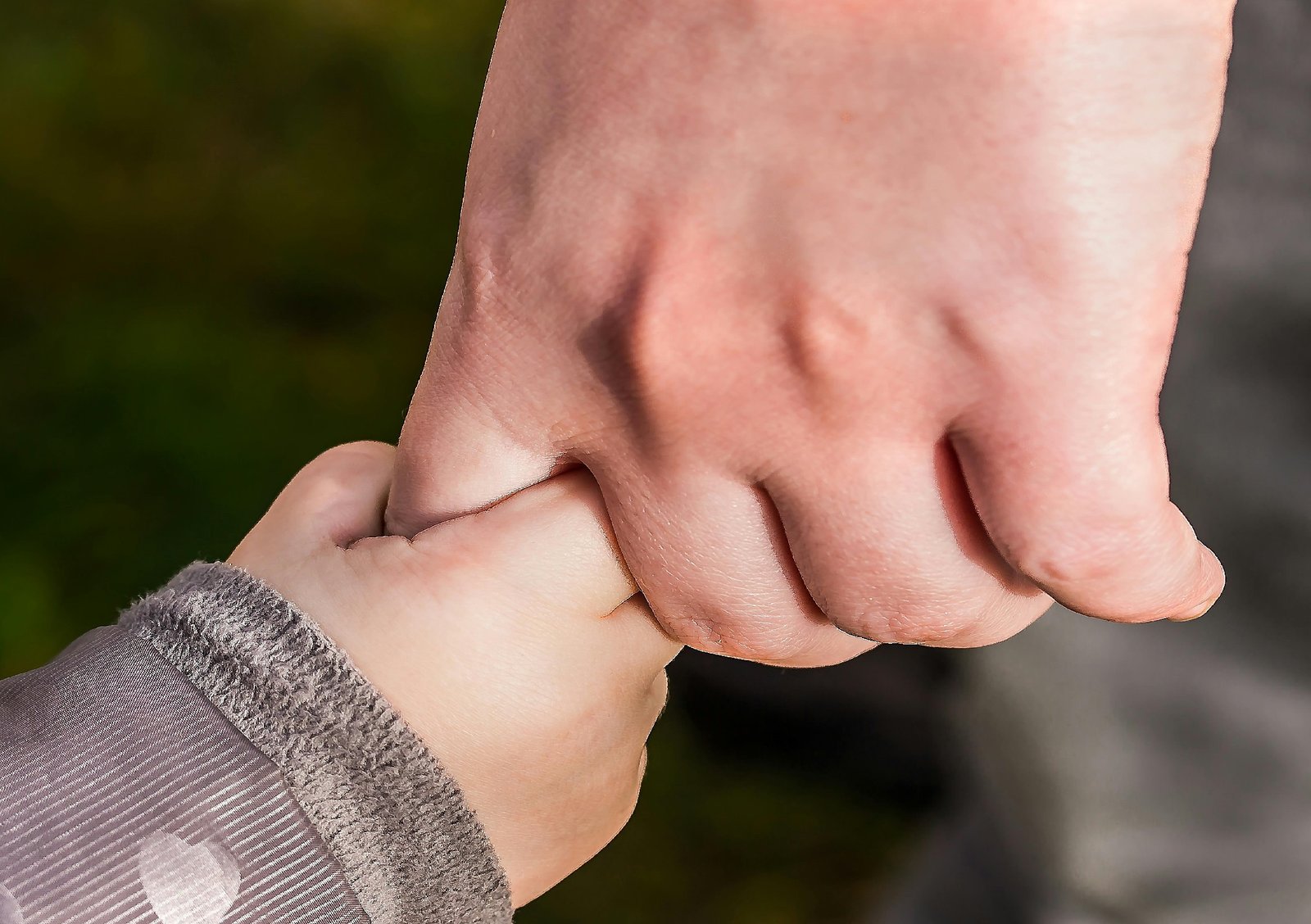
Introduction: History is filled with conflicts that have shaped the world we live in today. As parents, it is important to introduce our children to these past struggles in a way that is both educational and age-appropriate. One effective way to do this is through books that explore conflicts in history. In this blog post, we will delve into the significance of including such literature in your child's reading diet and provide some valuable parenting tips for approaching these complex themes. Why Introduce Historical Conflicts through Books? Books have the power to transport readers to different time periods and immerse them in the experiences of people who lived through historical conflicts. By reading books that tackle topics such as war, colonization, civil rights movements, and more, children can gain a deeper understanding of the complexities of the past. These stories can foster empathy, critical thinking skills, and a broader worldview. Choosing Age-Appropriate Books: When selecting books that address conflicts in history, it is crucial to consider your child's age and maturity level. Younger children may benefit from picture books or simplified narratives that introduce basic concepts of conflict and resolution. Older children can handle more detailed accounts of historical events, but it is essential to choose books that are developmentally appropriate. Parenting Tips and Advice for Navigating Historical Conflicts in Books: 1. Start with Open Conversations: Before and after reading a book that delves into historical conflicts, engage your child in open conversations about the themes presented. Encourage them to ask questions, share their thoughts, and express their feelings. 2. Provide Context: Help your child understand the historical context of the conflicts depicted in the book. Offer background information, maps, and timelines to give them a broader perspective on the events. 3. Encourage Critical Thinking: Prompt your child to think critically about the characters' motivations, the consequences of conflicts, and the different perspectives portrayed in the book. Encourage them to consider how these themes relate to the world today. 4. Explore Real-Life Connections: Connect the events in the book to real-life conflicts happening in the world today. Discuss how history can inform our understanding of current struggles and the importance of learning from the past. Conclusion: Introducing children to historical conflicts through books is a valuable way to broaden their understanding of the world and cultivate empathy and critical thinking skills. By selecting age-appropriate literature, engaging in open conversations, providing context, and encouraging critical thinking, parents can guide their children through complex themes with sensitivity and insight. Remember, the goal is not to instill fear or sadness, but rather to inspire curiosity, empathy, and a desire to learn from the past.
Leave a Comment:
SEARCH
Recent News
- Zurich, Switzerland is not only known for its stunning landscapes, chocolate, and watches, but also for its rich literary culture. In this charming city, children's literature holds a special place, with a plethora of top children's books that are beloved by kids and families alike. Here are some of the most popular children's books that are a must-read for young readers in Zurich.
- Zurich, Switzerland is a beautiful destination with plenty to offer for families traveling with children. However, motion sickness can put a damper on what should be a fun and exciting trip. Here are some kid-friendly motion sickness remedies to help ensure smooth travels while exploring Zurich:
- Creating YouTube Content: Translating Top Children's Books
- Creating Kid-Friendly YouTube Content and Motion Sickness Remedies
- Are you looking for a list of the top children's books as recommended by popular YouTube channels catering to kids and parents? Look no further! In this blog post, we will highlight some of the best children's books that have been featured and reviewed by popular YouTube channels dedicated to children's literature.
- Motion sickness can be a real struggle, especially for children during long car rides or while watching video content that involves a lot of motion. If your child experiences motion sickness while watching YouTube videos or other screen content, don't worry - there are remedies and solutions that can help alleviate their discomfort. In this blog post, we will explore some kid-friendly motion sickness remedies that can make their screen time more enjoyable.
- 5 Kid-Friendly Motion Sickness Remedies for Women Experiencing Fatigue
- Motion sickness can be a troublesome experience, especially for children. It can occur during car rides, plane trips, or even boat excursions, and it can put a damper on family outings. For wives and mothers, having to deal with a child suffering from motion sickness can be challenging and stressful. However, there are several kid-friendly remedies that can help alleviate the symptoms and make traveling more comfortable for everyone involved.
READ MORE
9 months ago Category :

Zurich, Switzerland is not only known for its stunning landscapes, chocolate, and watches, but also for its rich literary culture. In this charming city, children's literature holds a special place, with a plethora of top children's books that are beloved by kids and families alike. Here are some of the most popular children's books that are a must-read for young readers in Zurich.
Read More →9 months ago Category :

Zurich, Switzerland is a beautiful destination with plenty to offer for families traveling with children. However, motion sickness can put a damper on what should be a fun and exciting trip. Here are some kid-friendly motion sickness remedies to help ensure smooth travels while exploring Zurich:
Read More →9 months ago Category :

Creating YouTube Content: Translating Top Children's Books
Read More →9 months ago Category :
