Parenting Tips and Advice: Comparing Family Life in Burma (Myanmar) and Sweden
Category : | Sub Category : Posted on 2024-10-05 22:25:23
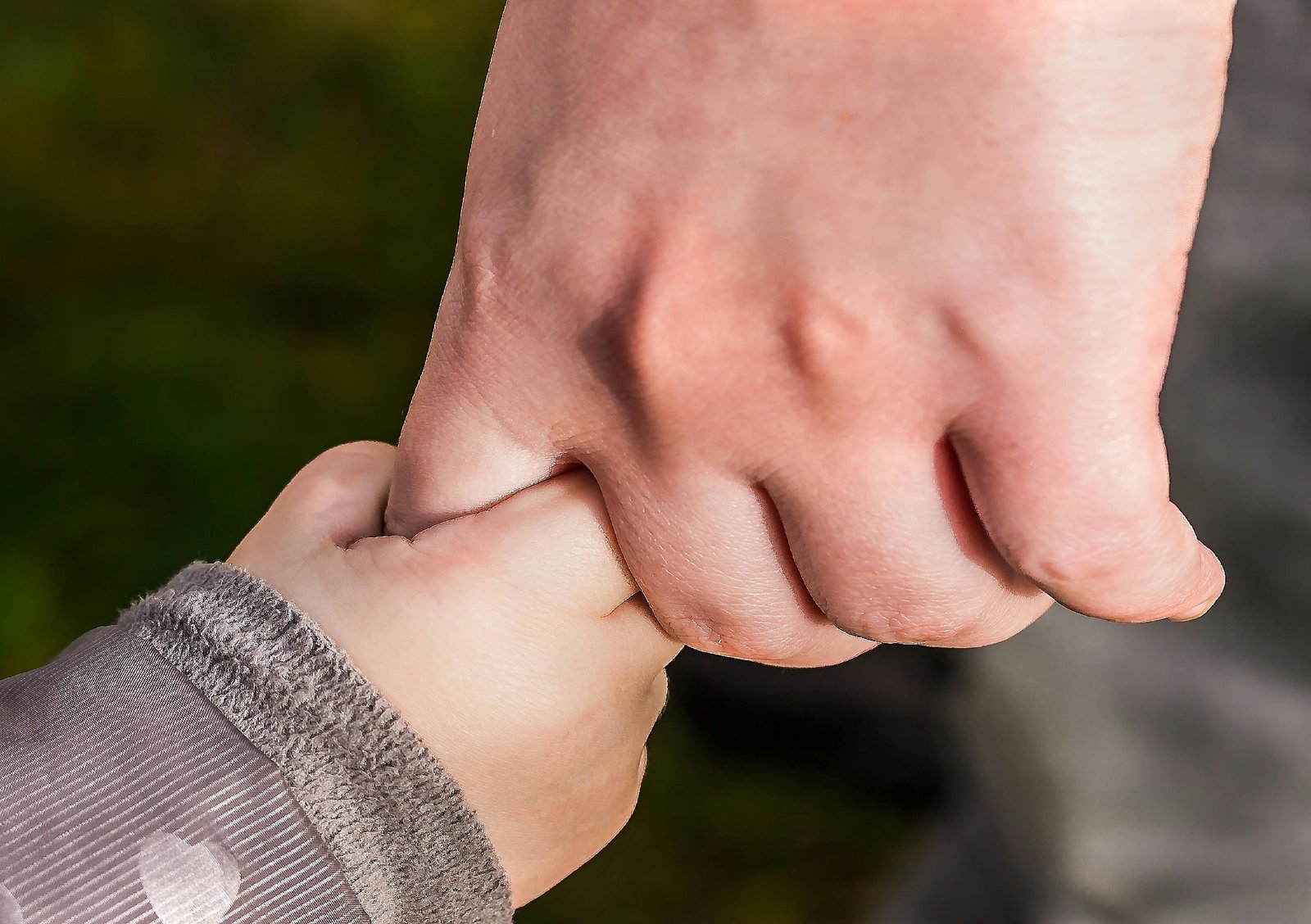
Parenting is a challenging yet rewarding journey that varies across cultures and countries. In this blog post, we will explore parenting tips and advice by comparing family life in Burma (Myanmar) and Sweden. Burma, also known as Myanmar, is a Southeast Asian country with a rich cultural heritage and strong emphasis on family values. In Burma, parenting is highly influenced by traditions and societal norms. Respect for elders is deeply ingrained in Burmese culture, and children are taught to be obedient and respectful from a young age. Parents in Burma often rely on authoritarian parenting styles, setting strict rules and expectations for their children. On the other hand, Sweden, a Scandinavian country known for its progressive social policies, takes a more relaxed approach to parenting. Swedish parents emphasize the importance of independence, creativity, and individuality in children. The concept of "lagom," which means balance or moderation, is a key principle in Swedish parenting. Swedish parents strive to find a healthy balance between nurturing and allowing their children to explore and make their own choices. When it comes to education, Burmese parents place a strong emphasis on academic success and often prioritize formal education over extracurricular activities. In Sweden, education is seen as a holistic experience that includes not only academic learning but also social and emotional development. Swedish parents encourage their children to engage in a wide range of activities outside of school to support their overall growth and well-being. In terms of discipline, Burmese parents typically use methods such as corporal punishment or shaming to correct misbehavior. In contrast, Swedish parents tend to practice positive discipline techniques, such as setting clear boundaries, using logical consequences, and focusing on communication and problem-solving. Despite the differences in parenting styles between Burma and Sweden, both cultures share a common goal: to raise happy, healthy, and well-adjusted children. By exploring the unique approaches to parenting in these two countries, we can learn valuable lessons and gain new insights that may help us become more mindful and effective parents in our own cultural context. In conclusion, parenting is a universal experience that is shaped by culture, tradition, and societal values. By understanding and appreciating the diverse approaches to parenting around the world, we can broaden our perspectives and become more empathetic and informed parents. Whether you resonate more with the Burmese emphasis on respect and discipline or the Swedish focus on balance and independence, remember that there is no one-size-fits-all approach to parenting, and it's okay to find what works best for you and your family.
Leave a Comment:
SEARCH
Recent News
- Zurich, Switzerland is not only known for its stunning landscapes, chocolate, and watches, but also for its rich literary culture. In this charming city, children's literature holds a special place, with a plethora of top children's books that are beloved by kids and families alike. Here are some of the most popular children's books that are a must-read for young readers in Zurich.
- Zurich, Switzerland is a beautiful destination with plenty to offer for families traveling with children. However, motion sickness can put a damper on what should be a fun and exciting trip. Here are some kid-friendly motion sickness remedies to help ensure smooth travels while exploring Zurich:
- Creating YouTube Content: Translating Top Children's Books
- Creating Kid-Friendly YouTube Content and Motion Sickness Remedies
- Are you looking for a list of the top children's books as recommended by popular YouTube channels catering to kids and parents? Look no further! In this blog post, we will highlight some of the best children's books that have been featured and reviewed by popular YouTube channels dedicated to children's literature.
- Motion sickness can be a real struggle, especially for children during long car rides or while watching video content that involves a lot of motion. If your child experiences motion sickness while watching YouTube videos or other screen content, don't worry - there are remedies and solutions that can help alleviate their discomfort. In this blog post, we will explore some kid-friendly motion sickness remedies that can make their screen time more enjoyable.
- 5 Kid-Friendly Motion Sickness Remedies for Women Experiencing Fatigue
- Motion sickness can be a troublesome experience, especially for children. It can occur during car rides, plane trips, or even boat excursions, and it can put a damper on family outings. For wives and mothers, having to deal with a child suffering from motion sickness can be challenging and stressful. However, there are several kid-friendly remedies that can help alleviate the symptoms and make traveling more comfortable for everyone involved.
READ MORE
9 months ago Category :

Zurich, Switzerland is not only known for its stunning landscapes, chocolate, and watches, but also for its rich literary culture. In this charming city, children's literature holds a special place, with a plethora of top children's books that are beloved by kids and families alike. Here are some of the most popular children's books that are a must-read for young readers in Zurich.
Read More →9 months ago Category :

Zurich, Switzerland is a beautiful destination with plenty to offer for families traveling with children. However, motion sickness can put a damper on what should be a fun and exciting trip. Here are some kid-friendly motion sickness remedies to help ensure smooth travels while exploring Zurich:
Read More →9 months ago Category :

Creating YouTube Content: Translating Top Children's Books
Read More →9 months ago Category :
